2026 Subaru WRX Series.Yellow vs. Hyundai Elantra N: Compact Sport Sedan Specs

The 2026 Subaru WRX Series.Yellow is more than a paint pack. Subaru based it on the WRX tS. U.S. output is just 350 cars. It has a six-speed stick. It has tuned shocks. It has large brakes and all-wheel drive. This guide starts with those hard facts. It then puts the car next to the 2026 Hyundai Elantra N, a compact sport sedan.

Technical profile: 2026 WRX Series.Yellow

A turbo 2.4-liter SUBARU BOXER engine makes 271 horsepower. It makes 258 lb.-ft. of torque. The six-speed stick is the sole gearbox on Series.Yellow. Subaru Symmetrical All-Wheel Drive is standard. The flat engine sits low in the body. The full-time system sends power through all four tires in each season.

The tS base matters. STI tuned the shocks. They have Comfort, Normal, and Sport modes. Brembo brakes use six-piston front parts. They use two-piston rear parts. Matte-black 19-inch wheels wear 245/35 R19 summer tires. The steer ratio is 13.5:1. The car is set up for a quick turn at the wheel.

Series.Yellow equipment at a glance

  • Engine: Turbo 2.4-liter flat four with 271 horsepower.
  • Torque: 258 lb.-ft. through a six-speed manual.
  • Dampers: STI-tuned units with three driver-selectable modes.
  • Brakes: Six-piston front and two-piston rear Brembo calipers.
  • Production: Just 350 cars for the United States.


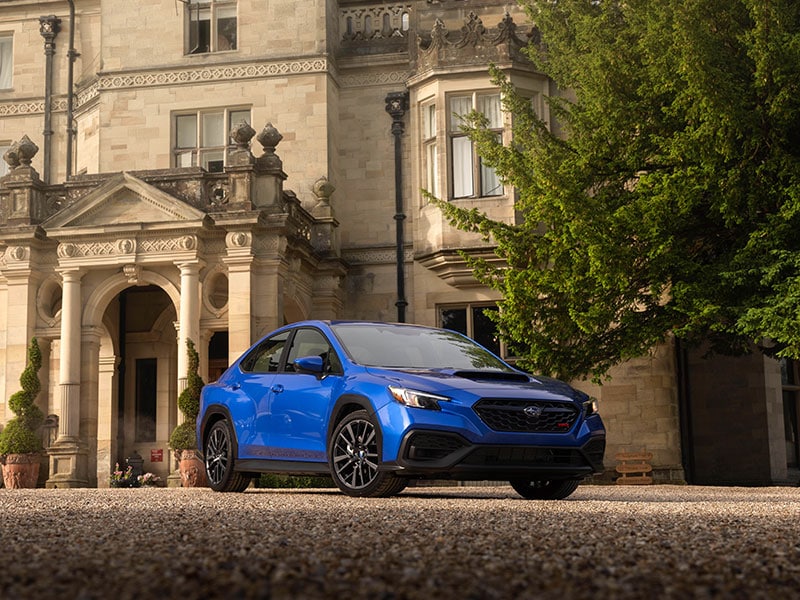
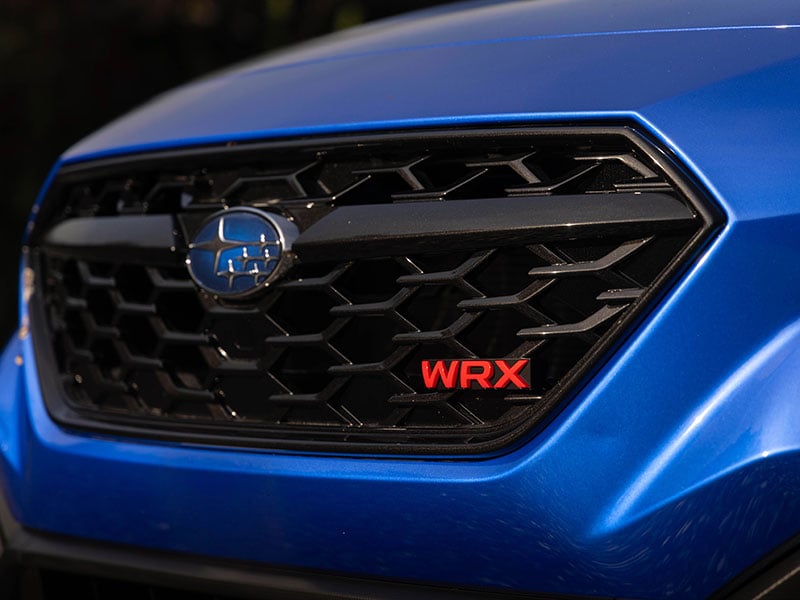
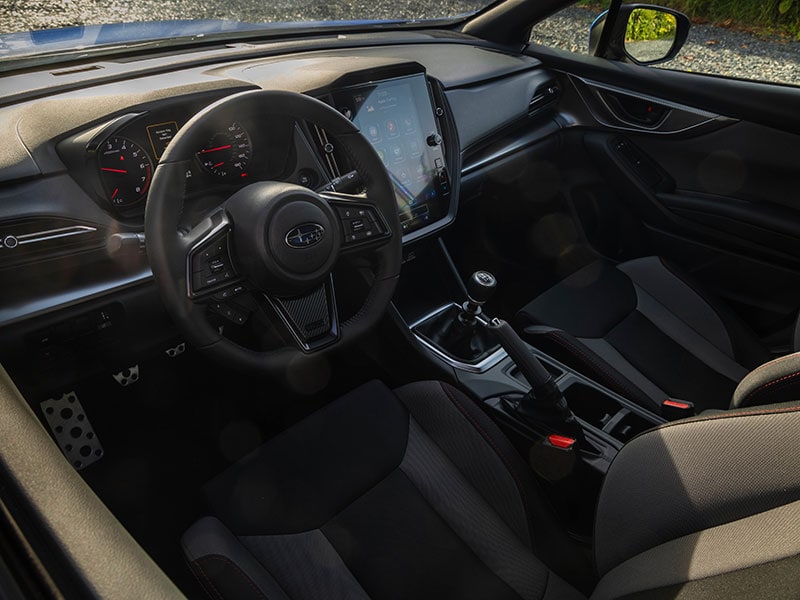
Sunrise Yellow paint sets the car apart. So do the matte-black wheels and black badges. Yellow trim adds a match in the cab. The bright paint make this rare trim easy to spot. Recaro front seats hold the driver in place. An 11.6-inch screen runs maps, sound, and phone links. The sedan has a true rear seat. It has a trunk as well. The WRX can still serve as a day-to-day car.

Subaru's 2026 WRX feature page confirms the engine, chassis, and limited-run details. Evergreen Subaru also showed a matching WRX Series.Yellow listing in Auburn. Its exact equipment and stock status should be checked on the live page.

Each part has one main job. The low flat engine helps the car feel set on the road. AWD adds grip when rain hits. Big brakes help shed heat. The shocks can shift from soft to firm. The stick puts each shift in your hand. Wide tires add dry grip. The rare paint and trim mark a small-run build. This is a full set. It is not just a bright shade.

The front seats have firm side pads. The rear doors ease access. The trunk is shut off from the cab. The screen is tall and clear.

In-depth comparison: WRX Series.Yellow vs. Elantra N

Both are 2026 compact sport sedans with four doors, rear seats, and turbo power. The Hyundai Elantra N uses a 2.0-liter turbo four. It makes 276 horsepower and 289 lb.-ft. of torque with the right fuel. The WRX Series.Yellow makes 271 horsepower and 258 lb.-ft. from a 2.4-liter flat four. Hyundai leads by five horsepower and 31 lb.-ft. Those figures shows why power alone cannot pick the best sedan.

AWD versus front-wheel drive

The WRX sends power to all four wheels. The Elantra N drives its front wheels and uses an electronic limited-slip diff to help the front tires put power down. That is the main split in this class match. Subaru's AWD gives the rear tires a role when grip is low. Hyundai's setup saves the parts and weight of rear drive gear. Tires still set the grip limit for both cars. Each comes with summer tires, so a Maine winter calls for a tire plan.

Series.Yellow comes with a six-speed manual. The Elantra N has a six-speed manual too, with an eight-speed wet dual-clutch auto as an option. If a manual is a firm need, both fit. If an auto is a firm need, only the Hyundai in this pair has that choice. The WRX's AWD may matter most on wet hills and slushy roads. The Hyundai's front-drive layout may suit a buyer who wants less weight and a more direct front-end feel.

Brakes, ride tune, and cabin use

Subaru fits six-piston front Brembo brakes and two-piston rear brakes. Hyundai lists four-piston front calipers and 14.2-inch front discs on the manual Elantra N. Piston count is just one part of a brake setup. Pads, discs, tire grip, heat, and car weight all count. The Subaru has STI-tuned dampers with Comfort, Normal, and Sport modes. The Hyundai has electronic suspension and drive modes that can change its feel as well.


The Elantra N has 14.2 cubic feet of trunk room and 38.0 inches of rear legroom. The WRX is also a true sedan with a trunk and a rear seat. Yet Series.Yellow adds rare paint and trim. Subaru says only 350 were made for the U.S.

Fuel use adds one more split. Hyundai rates the manual Elantra N at 21 MPG city and 29 highway. Subaru's WRX Series.Yellow has a lower listed fuel rating. That makes Hyundai the more fuel-wise sport sedan on paper. Neither one is sold as a fuel-saver. These cars put pace, grip, and feel first. The costs of tires and fuel still belong in a fair view.

  1. Choose Series.Yellow for AWD, STI-tuned ride modes, six-piston front brakes, and the 350-car run.
  2. Choose the Elantra N for more torque, a DCT option, and better listed MPG.
  3. Use the same tire type when you weigh wet or cold grip.
  4. Check rear-seat and trunk needs since both serve as compact sedans.

Hyundai's 2026 Elantra N specs back its power, brakes, drive layout, and fuel data. These cars share a class, body style, and sport aim. The Subaru puts AWD and rarity first. The Hyundai adds torque and more gearbox choice. Either can fit a driver who needs one fun sedan for a full week.